Thyroid

Early Detection Leads to Early Treatment of Thyroid Cancer

Thyroid cancer

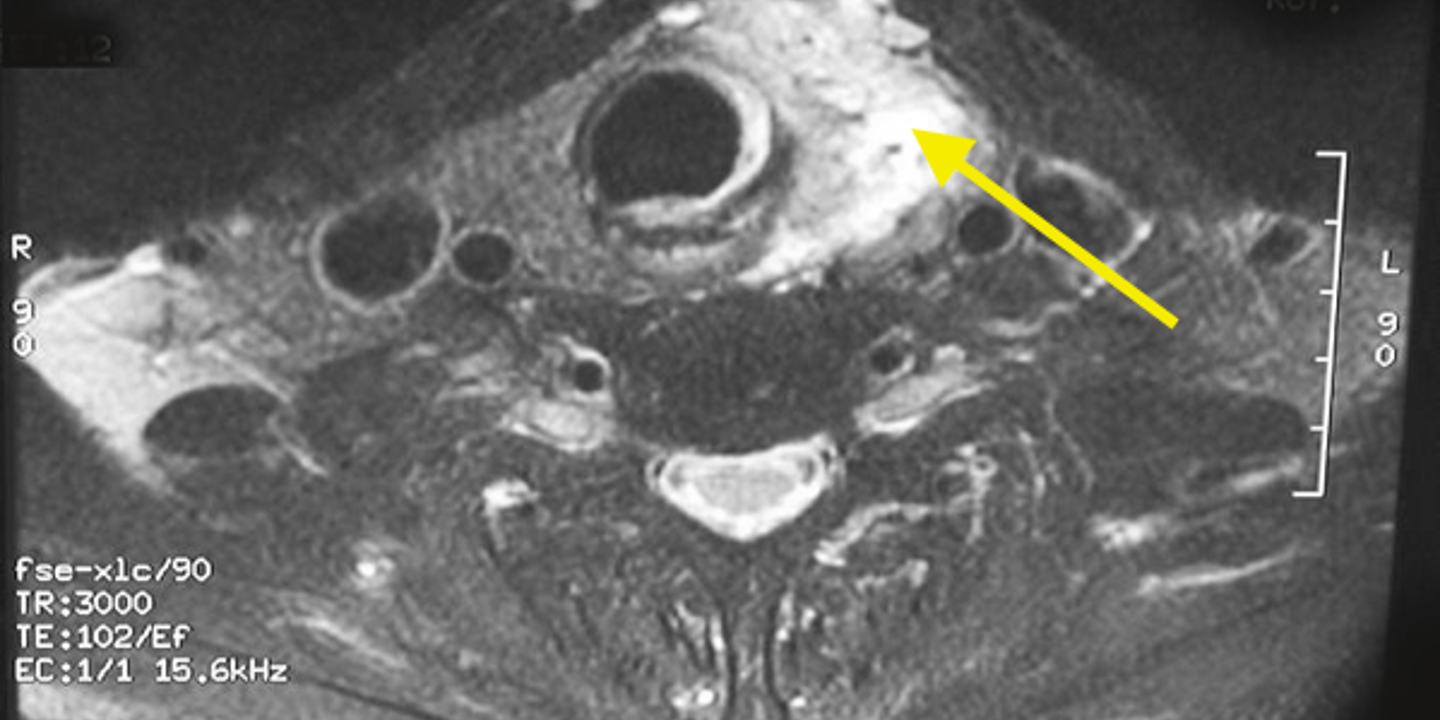
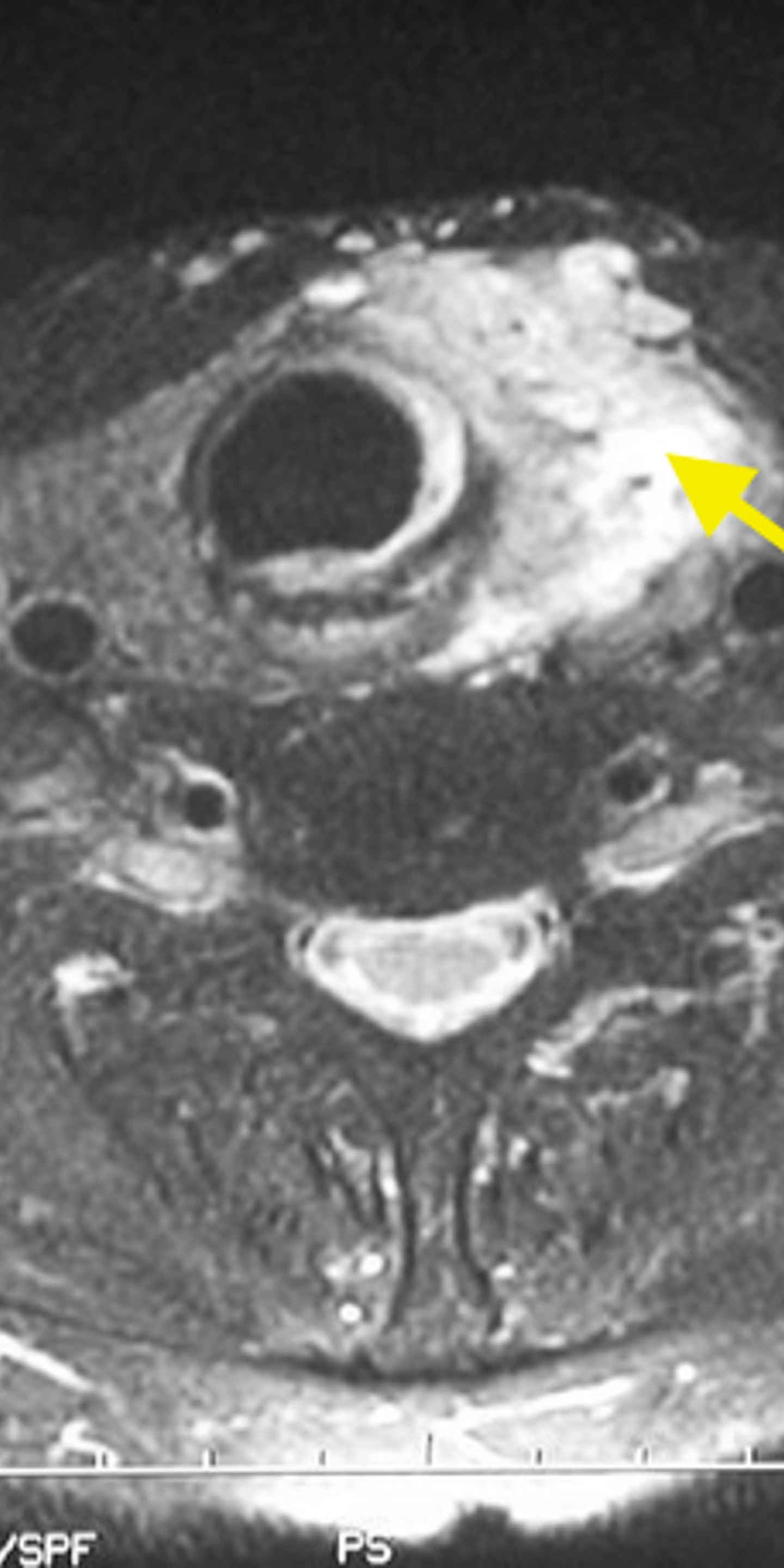
Thyroid nodules or lumps are common. In most cases, they aren’t cancerous. The cancerous ones, however, do not often have symptoms. But as cancerous thyroid nodules grow, they cause pain and swelling in your neck.
Share this

Early detection is the key to cancer prevention. If you feel a lump on your thyroid, you should seek help from a physician to learn if you need one of the following diagnostic tests:


An Ultrasound

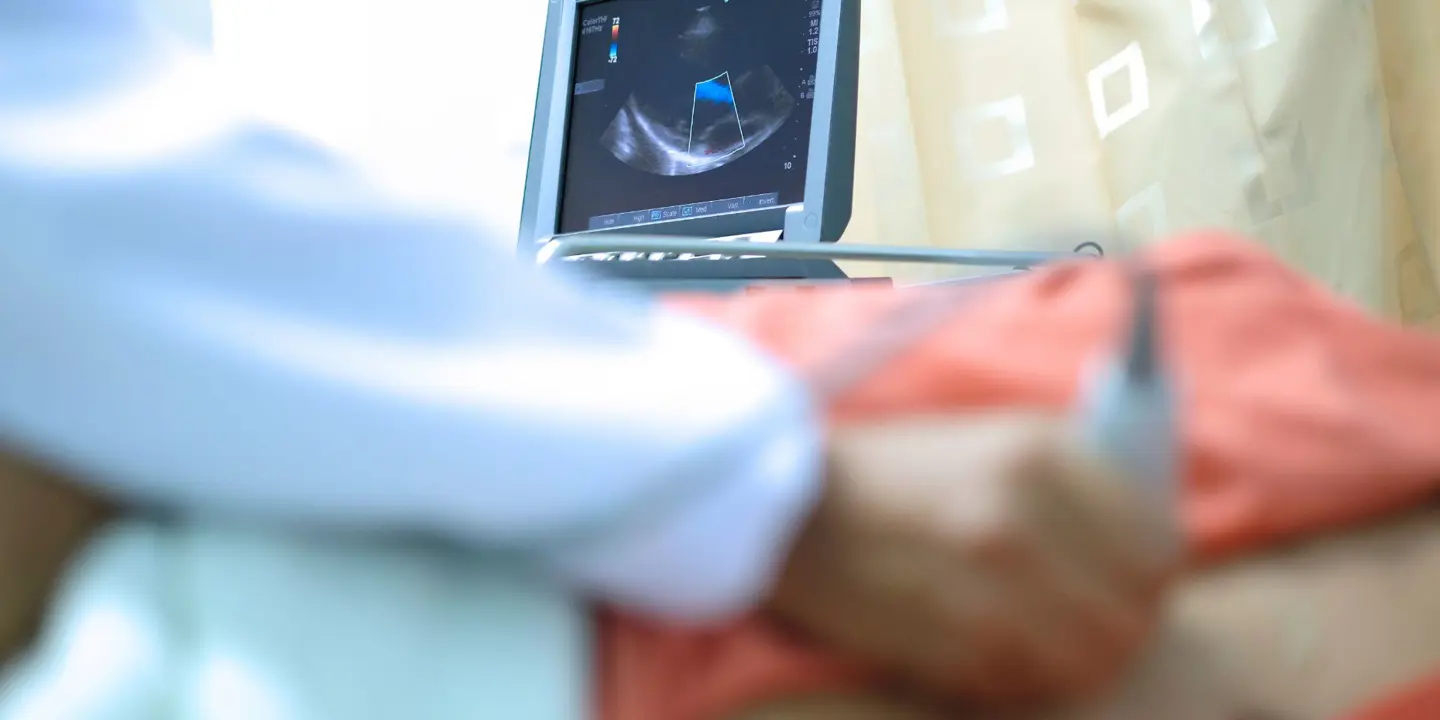
Schedule a private ultrasound with your doctor immediately.  An ultrasound helps your doctor learn more about the condition of your thyroid nodules. Using high-frequency sound waves, it creates a detailed image of your thyroid.

During the procedure, your doctor will place a small, wand-like device in front of your thyroid gland. The image of your thyroid and nodules, even those you can’t feel, will appear on the computer screen. It will show if the lumps on your thyroid are filled with fluid or if it’s solid. Solid lumps are more likely to carry cancerous cells, but you’ll need more tests to find out. The ultrasound can also show the number and size of nodules on your thyroid.


A Physical Examination

Your physician will examine your neck for any lumps. They might also ask questions to determine if you are at risk. These questions include your family history of thyroid disease and frequency of exposure to excessive radiation.

If family history is a possible cause for your thyroid concerns, your doctor might require genetic testing to determine if you have genes that increase your chances of getting cancer.


A Biopsy

Biopsies test the lump on your thyroid to determine if it’s cancerous or not. To perform a biopsy, your physician will insert a small and thin needle to take a tissue sample from the lump and other tissues surrounding it. Once your doctor gets a sample, they will send it to the lab for testing.


A CT Scan

CAT or CT (computed tomography) scans use advanced X-rays to give your physician a better view of your thyroid. It displays the location and size of a potentially cancerous lump, as well as informs your doctor if cancer has spread to other parts of your body.


A PET Scan

Your doctor might also recommend a positron emission tomography (PET) scan. This scan uses small amounts of radiopharmaceuticals (radioactive materials), a computer and a special camera to look at your tissues and organs.

PET scan looks at changes on a cellular level, enabling it to detect cancer during the earlier stages.


A Radioiodine Scan

This test uses radioactive iodine to detect cancer in your thyroid cells. The scan will measure radiation in your thyroid and in other parts of your body.


It’s Time to Act Fast

Though not all odd lumps on your neck are cancerous, it’s still important to have your physician check them out. The sooner you determine the state of your thyroid and start your treatment, the better.

Vista Health can help with early cancer detection. Schedule an appointment for a private ultrasound scan at our practice today, you can refer yourself and even book your appointment online.  Otherwise please do get in touch with us by phone or email and our patient care team will look after you and answer any questions you may have.
 

Share this
Vista Health

FROM THE BLOG

You may also be interested in

Everything you need to know. Explore our blog for insightful articles and the latest news, empowering you to make informed decisions about your health.

Frequently asked questions

If you’re about to begin a healthcare journey, you’re likely to have a few questions. We’ve tried to answer the most common queries here - but if you don’t find what you’re looking for, you can always ask one of our friendly patient care advisors.  

What other tests will I need if my PSA levels are high?

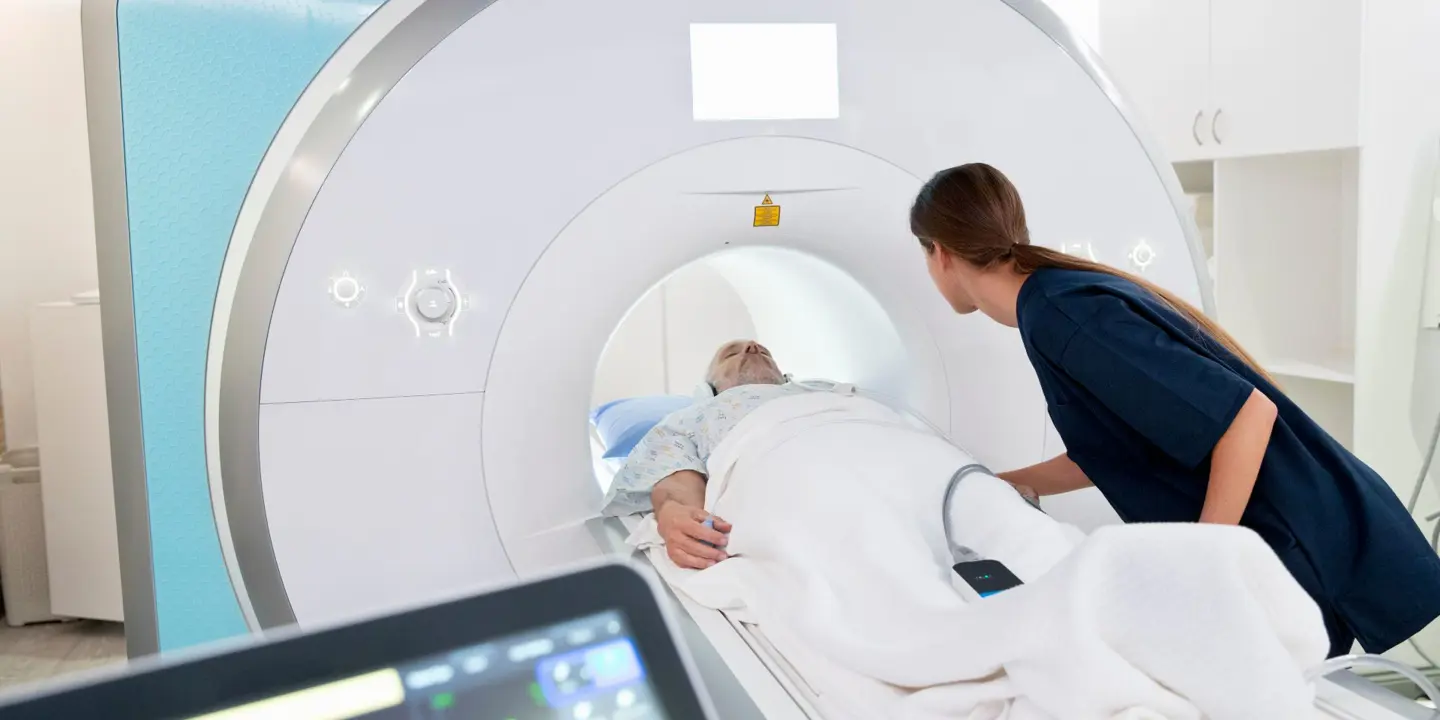
If you have a raised PSA level, a digital rectal examination is no longer usually  needed. However, your doctor may recommend blood tests to check for anaemia, kidney function, liver function and other conditions, as well as a urine test to check for a urine infection. They may also recommend a prostate MRI (magnetic resonance imaging) scan — depending on the results, you may need a prostate biopsy. 

Do high PSA levels always indicate a prostate problem?

Prostate cells release PSA. High PSA levels usually indicate prostate problems, such as an enlarged prostate, prostatitis or, in some cases, prostate cancer. However, high PSA levels can also be caused by a urine infection, a medical procedure on your urinary system, or even vigorous exercise before your test.

How accurate are the blood test results?

All our blood testing is carried out in UKAS-accredited or ISO-certified labs. This means they are collected and processed to the highest standards, so you can benefit from the most accurate results possible.

What does a male cancer screening blood test check for?

This blood test measures levels of a protein called prostate specific antigen (PSA). This can be raised due to prostate cancer as well as other prostate conditions, such as prostatitis and an enlarged prostate.

Can a blood test detect cancer?

A blood test cannot definitively detect cancer. However, it can test for certain markers or measure blood cell numbers, which suggest an abnormality. As these changes in the blood can often be caused by other conditions, further tests are needed to confirm a cancer diagnosis.

Which cancers can and cannot be indicated by blood tests?

A blood test cannot definitely detect cancer, but it can detect an abnormality that may be caused by cancer. For example, blood tests can detect signs of blood cancers, such as leukemia and lymphoma, by measuring changes in blood cell numbers.

Can a blood test rule out cancer completely?

No, a blood test cannot completely rule out cancer as cancer does not always cause changes in the blood in the early stages.

Does this test check PSA for prostate cancer?

Yes, the male screening blood test checks your levels of prostate specific antigen (PSA), which can be raised by prostate cancer, as well as other prostate conditions, such as prostatitis and an enlarged prostate.